Your Commercial Property May Have More Development Potential Than You Think

For many commercial property owners, value is often viewed through the lens of what exists today.
A retail building is valued as a retail building.
A commercial parcel is valued based on its current zoning.
An older property is evaluated based on its present income, condition, and use.
But in today’s Florida market, that may not tell the full story.
Across the Treasure Coast and Space Coast, commercial, industrial, and mixed-use properties are being viewed through a broader development lens. Buyers are not only asking what a property is worth today. They are asking what it can become.
That distinction matters for owners considering a sale.
The Highest Value May Not Be the Current Use
In growing markets like Indian River County, St. Lucie County, and Brevard County, land and commercial property values are increasingly influenced by future development potential.
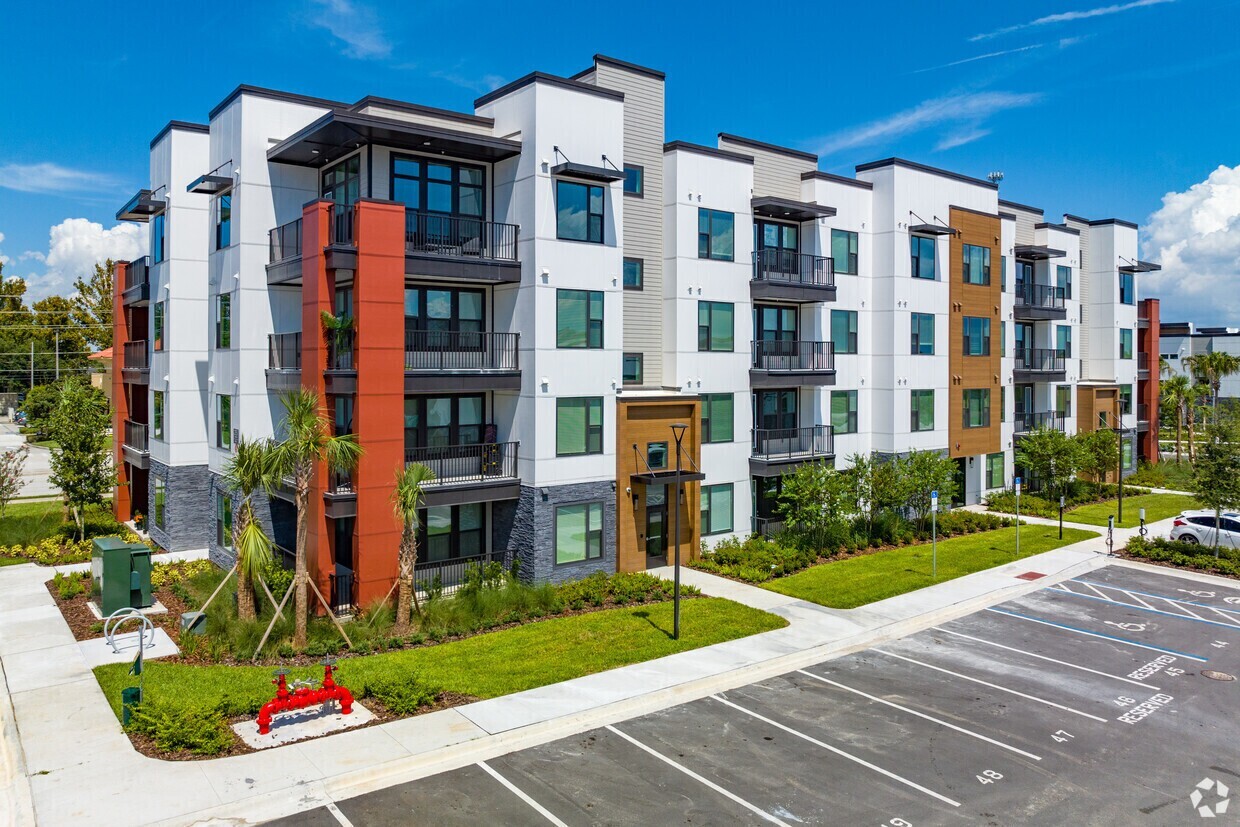
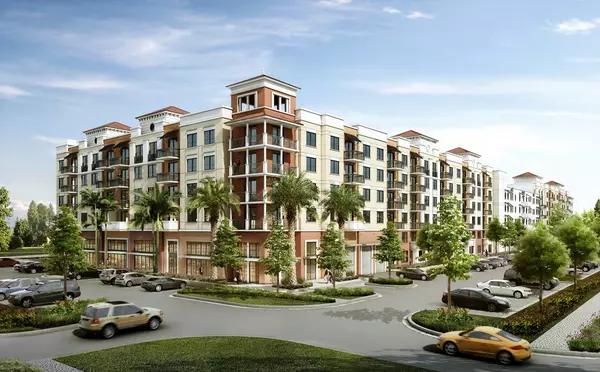
An aging retail center, vacant commercial parcel, underutilized industrial site, or small assemblage may appeal to buyers who see more than the existing use. Depending on the location, zoning, future land use, infrastructure, and surrounding demand, a property may have value as a redevelopment site, mixed-use project, multifamily opportunity, or long-term land hold.
That does not mean every property is automatically worth more.
It means owners should avoid making pricing decisions based only on what the property is today.
Live Local Has Changed the Conversation
Florida’s Live Local Act has added a new layer to how commercial and mixed-use properties are evaluated.
The law requires local governments to allow qualifying multifamily and mixed-use residential projects in areas zoned for commercial, industrial, or mixed use, provided certain affordability requirements are met. Local governments still review projects, and qualifying developments must meet statutory and local requirements, but the law has changed how many investors and developers evaluate commercial sites.
Recent 2026 amendments added further detail. Through July 1, 2030, certain qualifying Live Local projects may use an assemblage of commonly owned or controlled parcels separated by no more than 15 feet. The 2026 changes also clarify that farming and farm operations are excluded from the commercial, industrial, or mixed-use zoning definitions that would otherwise trigger approval requirements.
For property owners, the takeaway is simple:
Yesterday’s zoning analysis may not fully capture today’s development potential.
This is especially relevant for owners of commercial corridors, mixed-use parcels, older retail properties, and sites located near employment, transportation, and population growth.
Assemblages May Deserve a Fresh Look
One of the most important seller opportunities is the potential value of assemblage.
A single parcel may not have enough scale to attract a serious developer. But multiple nearby parcels, especially those under common ownership or control, may create a more compelling development opportunity.
That can change the buyer pool.
Instead of marketing a property only to an owner-user or local investor, an owner may be able to attract developers, housing groups, mixed-use investors, or groups seeking sites that can support more density.
In Brevard County, for example, the county has already created a dedicated Live Local Act resource discussing the law’s land-use, zoning, and affordable/workforce housing implications. That is a clear sign this is no longer just a statewide policy discussion. It is now part of local development analysis.
Not Every Property Qualifies
It is important to be realistic.
The Live Local Act does not automatically make every commercial or industrial property more valuable. It also does not eliminate the need for proper diligence.
Buyers still care about:
- Zoning and future land use
- Site size and configuration
- Access and visibility
- Utility availability
- Environmental constraints
- Stormwater and drainage
- Parking
- Height, density, and compatibility
- Local review procedures
- Construction costs
- Financing conditions
- Rent and occupancy assumptions
Agricultural operations are also specifically excluded from the commercial, industrial, or mixed-use classifications that would trigger certain Live Local approval requirements under the 2026 legislation.
That means the opportunity is not automatic.
It has to be studied.
Retail Strength Also Matters
One mistake sellers should avoid is assuming the answer is always to replace commercial uses with apartments.
In some cases, the stronger value may come from preserving commercial frontage while introducing residential density behind it, beside it, or above it.
Nationally, retail space remains tight. Recent reporting shows U.S. retail vacancy at approximately 4.4%, near historically low levels, with demand especially strong from service-based retailers.
That matters because well-located retail and service space still has real value.
For owners, the best strategy may not be “commercial versus residential.” It may be understanding whether the property supports a more valuable combination of uses.
Re-Underwrite Before You Price
Before setting an asking price, accepting an unsolicited offer, or assuming a property’s value is limited to its current income, owners should ask a deeper question:
What would a qualified buyer see here?
That answer may be very different depending on whether the buyer is a local investor, owner-user, multifamily developer, mixed-use developer, affordable housing group, or long-term land investor.
A proper evaluation should consider both the property’s current market value and any credible redevelopment value.
That may include reviewing:
- Recent comparable sales
- Current income and expenses
- Market rents
- Development density
- Surrounding projects
- Future land use
- Zoning pathways
- Assemblage potential
- Infrastructure capacity
- Buyer demand
The goal is not to overstate the opportunity.
The goal is to understand it before the market does.
The Seller’s Opportunity
Across the Treasure Coast and Space Coast, growth is creating new questions for commercial property owners.
What is the property worth today?
What could it support tomorrow?
Which buyers would understand that upside?
And how should the property be positioned before going to market?
Those questions can materially affect value.
For owners of commercial, industrial, or mixed-use property, the market may be telling a bigger story than the current use alone.
The best sellers are not guessing.
They are re-underwriting.
Thinking About Selling Commercial or Mixed-Use Property?
Own commercial or mixed-use property on the Treasure Coast or Space Coast?
Before determining what it’s worth, determine what it can become.
Atomic Commercial Group can evaluate your property’s current market value, development potential, and buyer profile to help you understand the full opportunity before going to market.
Contact Atomic Commercial Group for a confidential valuation and market strategy conversation.
Recent Posts